The Living Story of Marchwell Stables: From Working Yard to Place of Healing
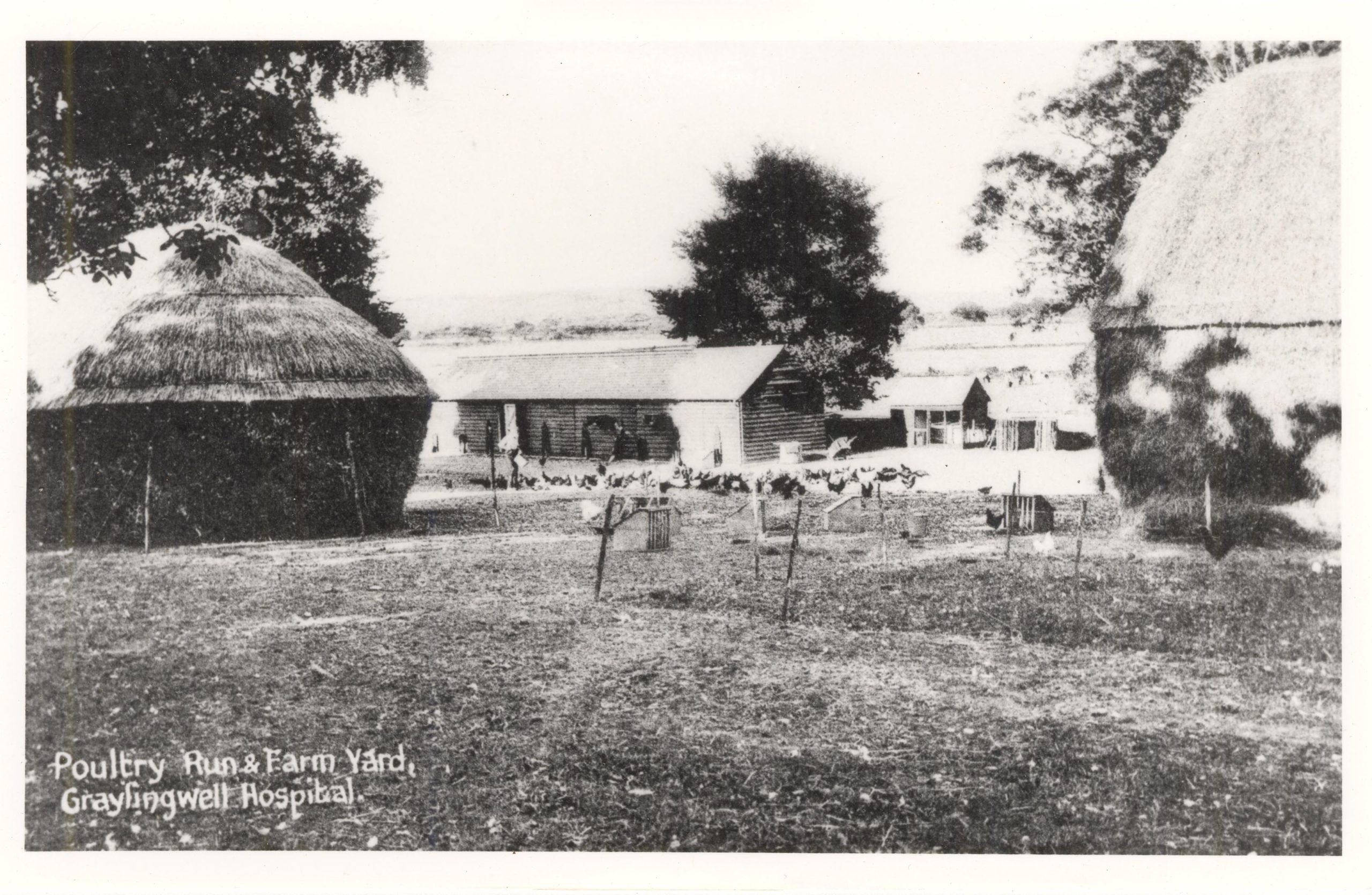
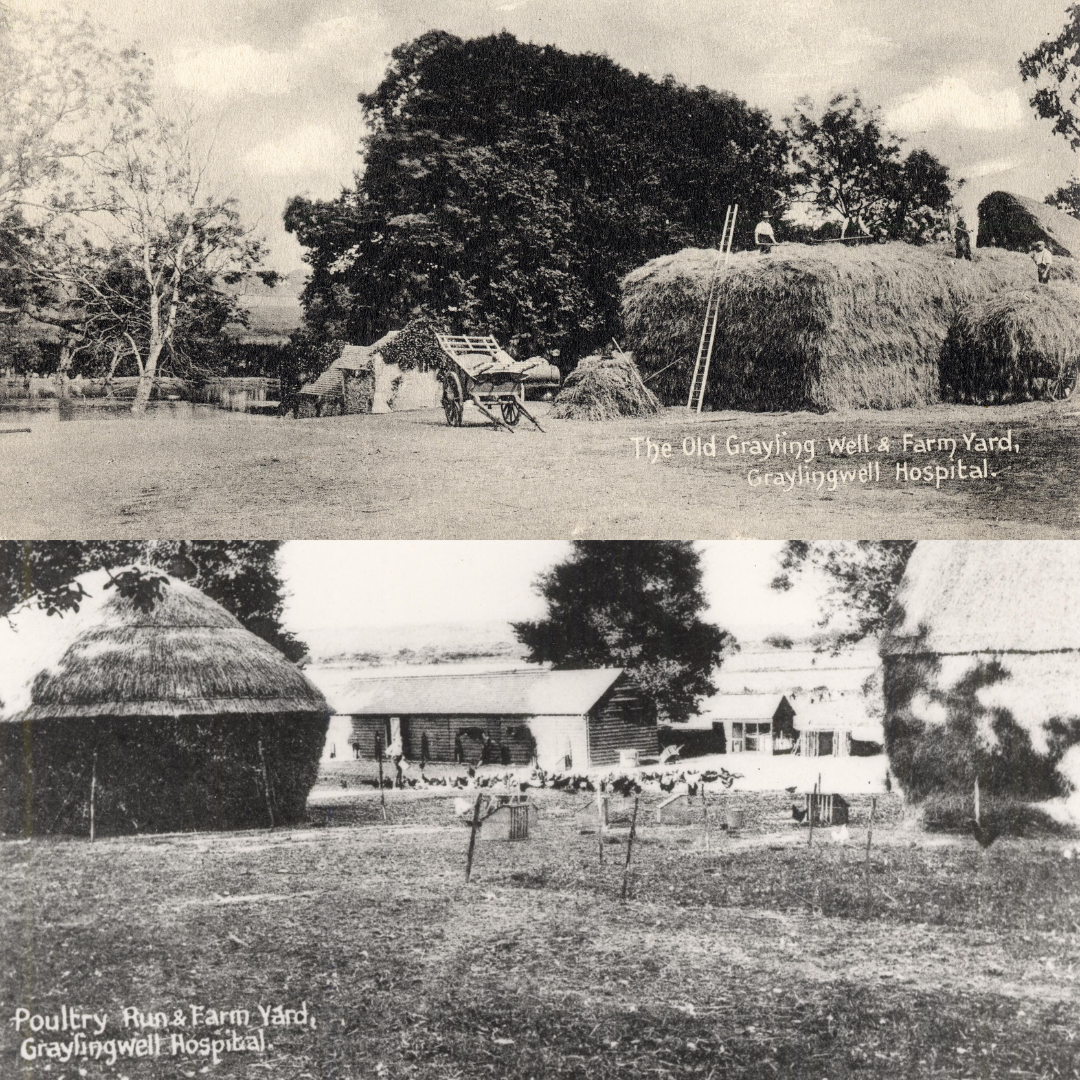
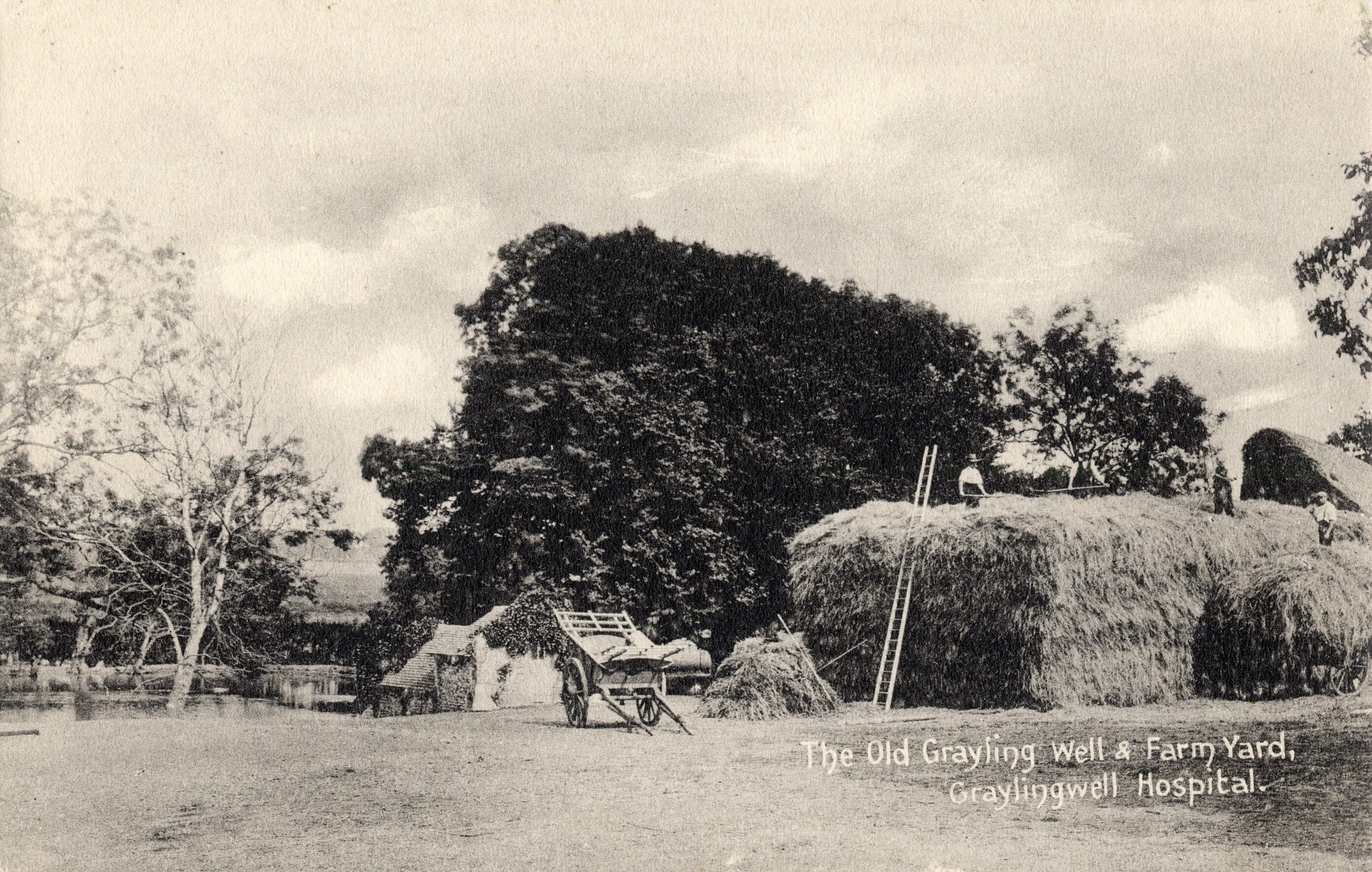
If walls could talk, the stables at Graylingwell, now known as The Marchwell Studios would have stories enough to fill volumes. Their story is not just about bricks, beams, and old concrete yards, but about people: patients, staff, neighbours, and a wider community who, over generations, shaped and reshaped this place. Long before the stables became the development site for a social and creative hub, they were part of a working farm that supported Graylingwell and the surrounding lands. When the farm officially closed in 1956, it might have seemed like the end of an era. It marked the beginning of one of the most human chapters in the site’s history.
A New Purpose After the Farm
In March 1957, the former farm buildings, including the stables, were handed over to Graylingwell Hospital. At the time, the hospital was beginning to rethink how recovery and wellbeing could look beyond wards and corridors. The stables offered space, light, and possibility. Within a year, the old stable yard had been re-concreted and transformed into a games area. A gymnasium followed, complete with changing rooms and showers. By 1960, industrial therapy rooms were in use. What had once been a place for animals and agricultural labour was steadily becoming a place for movement, learning, and confidence-building. This transformation was not imposed from above. Patients themselves played an active role in converting the buildings, working alongside staff. The process of rebuilding the stables became part of the therapy: practical, purposeful, and visible.
Work as Recovery: Occupational Therapy in the Stables
The late 1950s saw the introduction of occupational therapy at Graylingwell Hospital. The stables quickly became central to this approach. Occupational therapy was designed to counter the effects of long-term institutionalisation and to help patients regain skills, pride, and a sense of normal working life. By the end of the decade, the majority of patients were involved in meaningful tasks during the working week. Some worked on domestic and utility projects that improved their immediate surroundings; others learned skills that could support life beyond the hospital. As the programme evolved, the former stables were reorganised into distinct therapy units, often affectionately referred to as “the sheds.” Each space had its own focus:
- Unit One supported women engaged in more sedentary crafts such as knitting and embroidery.
- Units Two and Three were used by men dismantling wireless and telephone equipment for industrial reuse.
- Unit Four allowed patients to take on more creative and skilled work, including carpentry.
- Unit Five, known as The Barn, became a commercial workshop where patients, both current and recently discharged, worked together assembling DIY kits for local companies.
Patients clocked in and out each day, mirroring ordinary employment. Wages were modest, but the impact was profound: structure, dignity, and the reassurance of being needed.
Beyond Work: Community, Leisure, and Belonging, the success of occupational therapy at the stables also legitimised something just as important: rest and enjoyment. With purposeful days came richer evenings and weekends. Cinema nights, social events, sports teams, and an annual sports day became highlights of hospital life. The stables were not just about productivity; they were about balance. They supported recovery by recognising people as whole individuals, capable of effort, creativity, laughter, and connection.
Why This Story Matters Today: The Marchwell Stables stand as a reminder that places can change lives when shaped by care and community. What began as farm buildings became workshops of recovery, confidence, and quiet transformation. As the community continues to re-engage with this site, understanding its past adds depth to its future. The stables are more than historic structures – they are a testament to the power of meaningful activity, shared effort, and the belief that everyone has something valuable to contribute. By remembering and sharing these stories, we keep the spirit of Marchwell Stables alive: practical, compassionate, and rooted in community.
What is Next for the Marchwell Stables: Today, the next chapter of this story is already unfolding. Marchwell Stables are being carefully re-imagined as Marchwell Studios – a creative and community-focused space that honours the site’s past while opening it up for new uses and new voices. The vision is to create affordable studios, shared workspaces, and places to gather, learn, and collaborate, ensuring the buildings continue to support wellbeing, purpose, and connection, just as they have done for decades. This transformation has been made possible thanks to the support of The National Lottery Heritage Fund and DCMS, whose funding is helping to safeguard the stables, celebrate their heritage, and enable the wider community to play a part in shaping their future. What was once a place of work and recovery is becoming, once again, a place where people can grow, create, and belong.